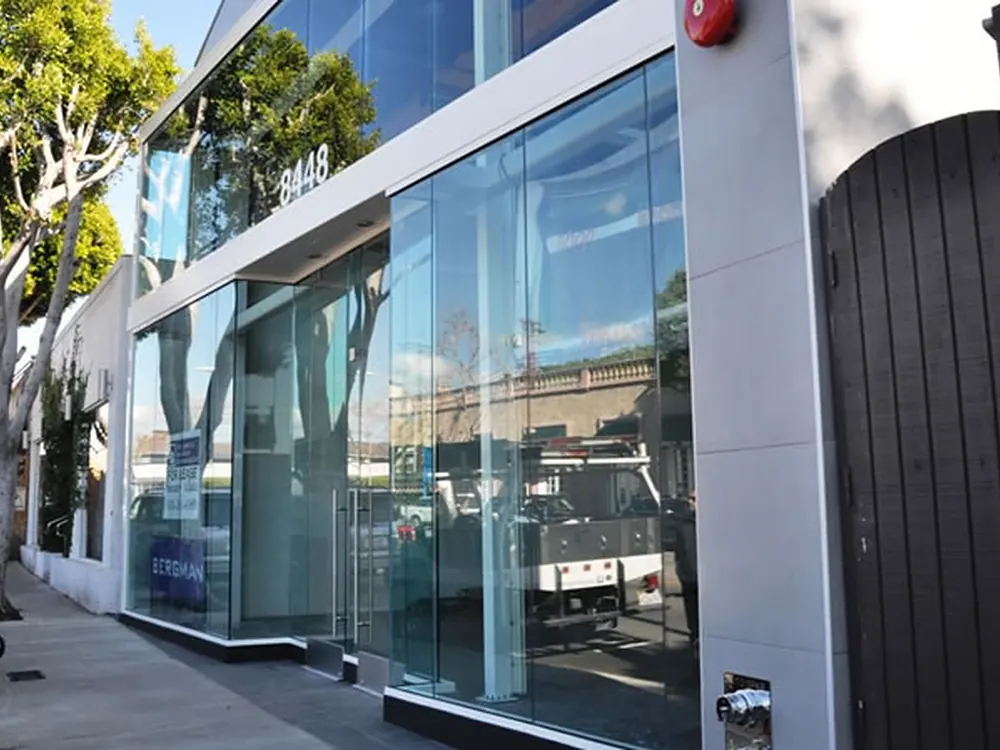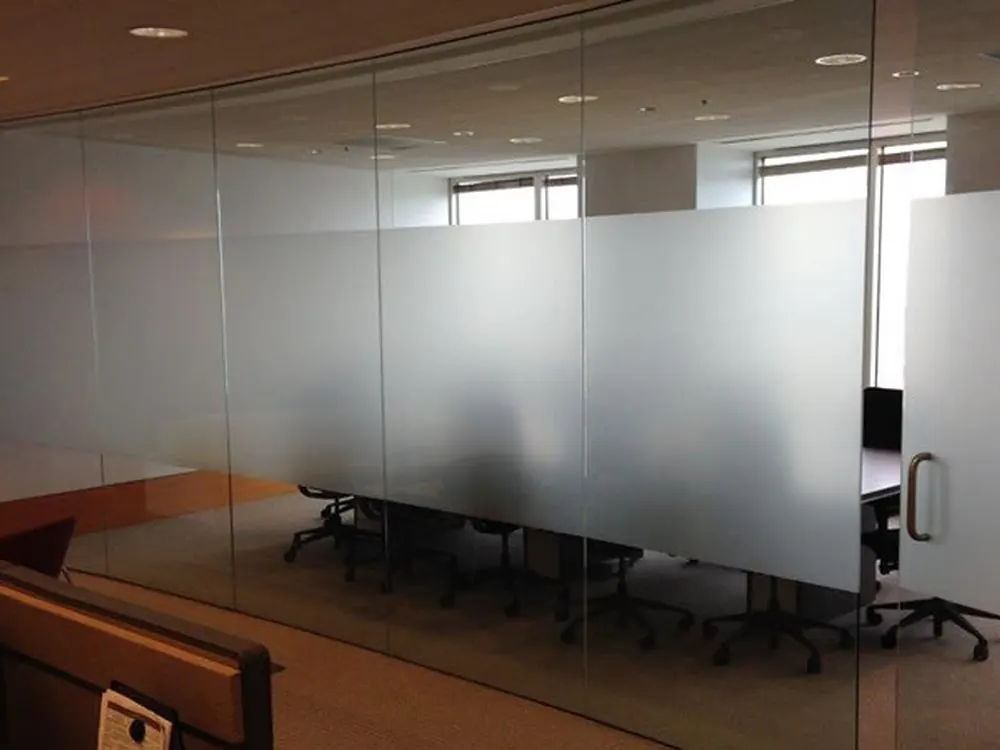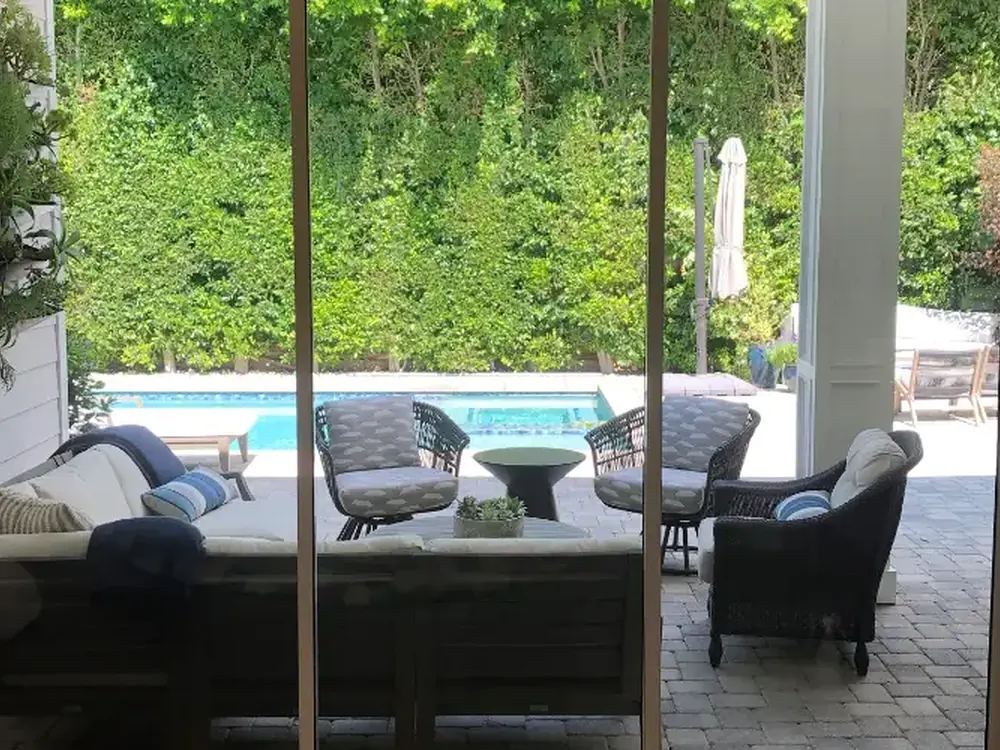
This is the single most common call we get in the Santa Clarita Valley, and it always arrives in July. Downstairs is comfortable, the thermostat says seventy-four, and the upstairs bedrooms are unusable until nearly midnight. Nothing is broken. The house is doing exactly what its design and this climate require of it.
The thermostat is measuring the wrong floor
Heat rises, which everyone knows and very few floor plans account for. Solar energy entering through upstairs windows warms the air in those rooms, and there is nowhere for it to go — it's already at the top of the house, up against an attic that has been baking since morning.
The thermostat, meanwhile, sits downstairs in a hallway. It reads a space that's being actively cooled, decides the house is satisfied, and cycles off while the bedrooms keep climbing. You end up paying to condition the floor that was already fine.
Why this valley is the extreme case
Santa Clarita is genuinely hotter than the rest of Los Angeles County. There's no marine influence, the valley sits inland and enclosed, and triple-digit afternoons are routine from June into September with regular stretches past a hundred and five. On those days the difference between here and the coast can be twenty-five degrees at four in the afternoon.
The building stock compounds it. Production two-story plans put the bedrooms upstairs, and lot orientation across many tracts left a lot of glass facing west and southwest — the worst possible exposure, taking low-angle sun at the hottest hour of the hottest day, on top of a structure already saturated with heat.
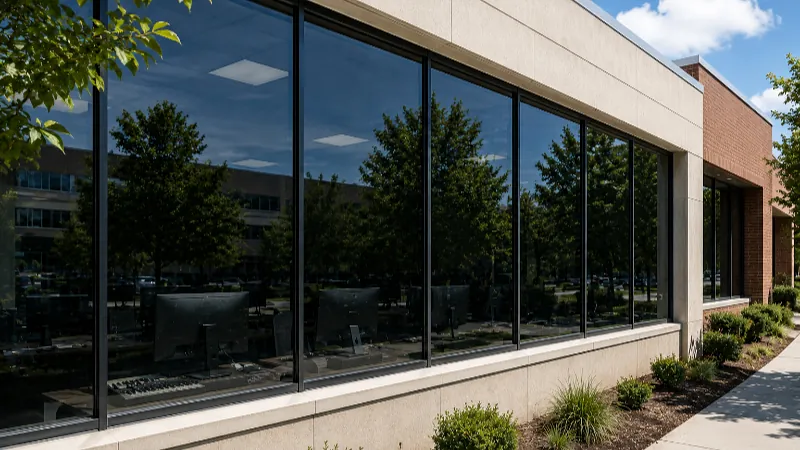
The overnight problem nobody mentions
Here's the part that makes this a sleep issue rather than a comfort issue. Heat absorbed by the structure during the day — framing, drywall, insulation, furnishings — releases slowly for hours after sunset. An upstairs bedroom that peaked at ninety-two at five o'clock is still giving that heat back at ten.
Which is why running the AC harder in the evening is such an unsatisfying fix: the system is fighting thermal mass, not air. Reducing the solar gain during the day is what changes the overnight curve, because the heat never enters the structure in the first place.
What film actually delivers
On a problem exposure, a properly specified film does the following:
- Around four fifths of the infrared turned away, which is the part your body registers as temperature.
- 99% of UV blocked, so flooring, rugs, art, and upholstery stop fading.
- Enough glare removed that a screen stays legible without reaching for the blinds.
- An air conditioner that switches off between cycles instead of running solidly until dark.
What it won't do is turn a greenhouse into a cellar. Film reduces solar gain through glass; it does nothing about heat coming through an under-insulated attic or a west wall, and it can't fix an undersized system. If your attic insulation is original and thin, that's worth addressing alongside the glass — we'll say so rather than pretending film is the whole answer.
The dual-pane calculation you must not skip
Essentially every window in this valley is dual-pane, much of it low-E, and film selection on those units is a calculation rather than a preference. The wrong product raises the outer lite's temperature enough to cause a thermal stress crack, and voids the glazing warranty at the same time.
This is the most common way a cheap film job becomes an expensive one. We run thermal stress numbers on the actual glass before quoting, every time. If you're collecting bids, ask each installer what they've assumed about your glass makeup — the answer tells you most of what you need to know. Get a free assessment and we'll tell you exactly what you're working with.